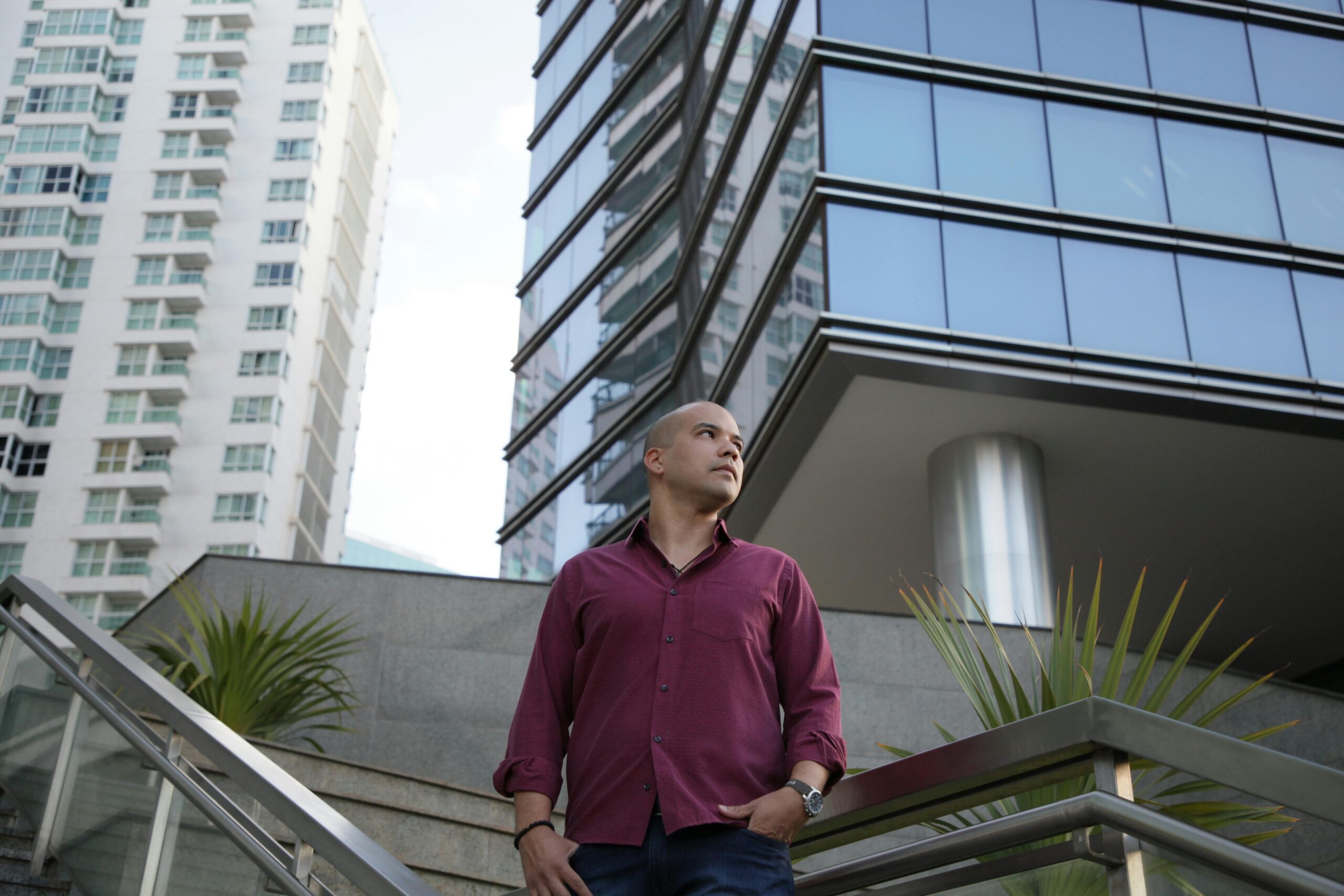
The Story: When Ambition Collided with Reality
David Carter (name changed for privacy) embodied the spirit of entrepreneurship. A visionary in his industry, he built a mid-sized manufacturing company from the ground up. What began in a small rented warehouse with a handful of employees grew into a multi-million-dollar operation supplying products across the region.
To fuel expansion, David reinvested profits aggressively, acquired new equipment, and took on loans from multiple lenders. When banks required personal guarantees, he didn’t think twice. “It’s just paperwork,” he reassured himself. After all, he had confidence in his business model, loyal customers, and an economy that seemed unstoppable.
But then came the downturn.
A slowing economy triggered supply chain disruptions and falling demand. Orders shrank, margins tightened, and cash flow dried up. What David thought would be a temporary setback stretched into months of struggle. Eventually, his company defaulted on its loans.
That’s when the reality of his personal guarantees hit.
Creditors didn’t just come after the company—they came after him. His personal home, his retirement accounts, and even his children’s college savings were suddenly at risk. The dream he had built for decades dissolved, and the safety net he thought existed was nowhere to be found.
For entrepreneurs and high-net-worth professionals, David’s story is not rare. It is a stark reminder that business risk without personal protection can consume not only your company but your entire legacy.
Where It Went Wrong
David’s mistakes were not unusual; in fact, they are common traps for ambitious business owners who assume growth alone is protection.
1. Personally Guaranteeing Business Loans Without Safeguards
Banks often require personal guarantees, especially for growing companies. David agreed without hesitation, failing to realize he had just put his personal balance sheet in the line of fire.
2. Lack of Protective Business Structures
Although his company was incorporated, the personal guarantees blurred the separation between business and personal assets. Without additional legal and financial planning, incorporation alone wasn’t enough.
3. Overexposure to Economic Cycles
David’s strategy relied heavily on favorable economic conditions. He lacked diversification in both business revenue streams and personal investments, leaving him vulnerable when the downturn hit.
4. Failure to Build Liquidity Reserves
Rather than holding cash reserves or liquidity buffers, David poured nearly all profits back into the company. While this fueled growth, it left no cushion for unexpected disruptions.
5. No Asset Protection Plan
The absence of trusts, LLCs, or strategic ownership structures meant that when creditors came calling, they had direct access to his personal wealth. His legacy was a single target, easy to dismantle.
The result was devastating: a once-thriving entrepreneur reduced to financial instability, with years of work undone not by competition, but by preventable oversights.
How This Could Have Been Prevented
The painful truth is that David’s collapse could have been avoided—or at least dramatically softened—through deliberate financial foresight.
1. Negotiating Loan Structures and Guarantees
Not all personal guarantees are absolute. With the right financial planning and legal advice, guarantees can sometimes be limited, shared among partners, or structured with carve-outs. Proactive negotiation could have protected portions of his personal wealth.
2. Using Separate Legal Entities Strategically
Beyond basic incorporation, David could have created holding companies, subsidiary LLCs, or layered structures to limit liability. Each business unit or major asset should have stood behind its own legal shield, isolating risks.
3. Asset Protection Trusts
By transferring personal wealth into irrevocable asset protection trusts well before any downturn, David could have ensured creditors had no legal claim to key assets such as retirement savings, legacy funds, or real estate holdings.
4. Liability Insurance for Business Owners
Umbrella liability and directors-and-officers (D&O) insurance could have created additional layers of protection. While not a substitute for structural planning, insurance provides valuable defense against unexpected claims.
5. Liquidity and Diversification
Holding a percentage of profits in liquid reserves and diversifying personal investments outside the business would have given David options. Economic downturns are survivable when you have the flexibility to wait out storms.
6. Regular Risk Management Audits
Annual reviews of legal structures, insurance coverage, and creditor exposure would have revealed the danger long before collapse. The habit of proactive evaluation often makes the difference between resilience and ruin.
Had even a few of these measures been in place, David’s creditors might have been limited to seizing company assets, while his personal wealth, family home, and long-term legacy remained intact.
How Isaac Would Solve It Now
For clients who find themselves in David’s position after the fact, Isaac Kline’s role is to step in not only as an advisor but as a strategic director—rebuilding with resilience at the center.
1. Restructuring Debt Agreements
Isaac would begin by renegotiating terms with creditors. This could include restructuring repayment schedules, converting debt to equity, or limiting future personal guarantees. The goal is to create breathing room while preventing further erosion of personal wealth.
2. Segregating Remaining Assets
Whatever remains of David’s personal and business assets would be immediately restructured into protective entities: LLCs for operating units, trusts for legacy holdings, and possibly offshore protections for high-value portfolios.
3. Building Multi-Layered Defense Systems
Isaac emphasizes redundancy. A comprehensive plan combines:
- Legal entities (corporate shields and trusts)
- Insurance coverage (umbrella, liability, D&O)
- Financial diversification (balancing liquidity, growth, and stability)
Together, these create a fortress around wealth.
4. Rebalancing Personal vs. Business Wealth
One of Isaac’s key strategies is ensuring business owners don’t tie their personal financial future entirely to their company. By separating personal investments, retirement planning, and estate structures, he builds resilience against future downturns.
5. Aligning Recovery with Legacy Goals
Finally, Isaac reframes recovery as more than rebuilding net worth. It’s about designing a structure that supports family priorities, philanthropic goals, and long-term legacy planning—ensuring the next crisis doesn’t undo decades of work.
This approach shifts the conversation from reactive survival to proactive leadership. It transforms vulnerability into structured resilience.
Final Takeaway
David’s story illustrates a truth every entrepreneur must face: your business may thrive, but without protection, your personal wealth is always exposed.
The lesson is not about fear—it’s about foresight. Successful entrepreneurs understand that growth is only half the equation. Preservation and protection are equally critical.
If your wealth strategy hasn’t been reviewed recently, now is the time. The safeguards you put in place today will determine whether an economic downturn is a temporary setback—or a total collapse of both business and personal legacy.
Legal & Financial Disclaimer
This article is for informational purposes only and does not constitute financial, legal, or tax advice. Please consult with a qualified professional before making any financial decisions. Western Front Wealth Advisors and Isaac Kline do not assume liability for actions taken based on this content.